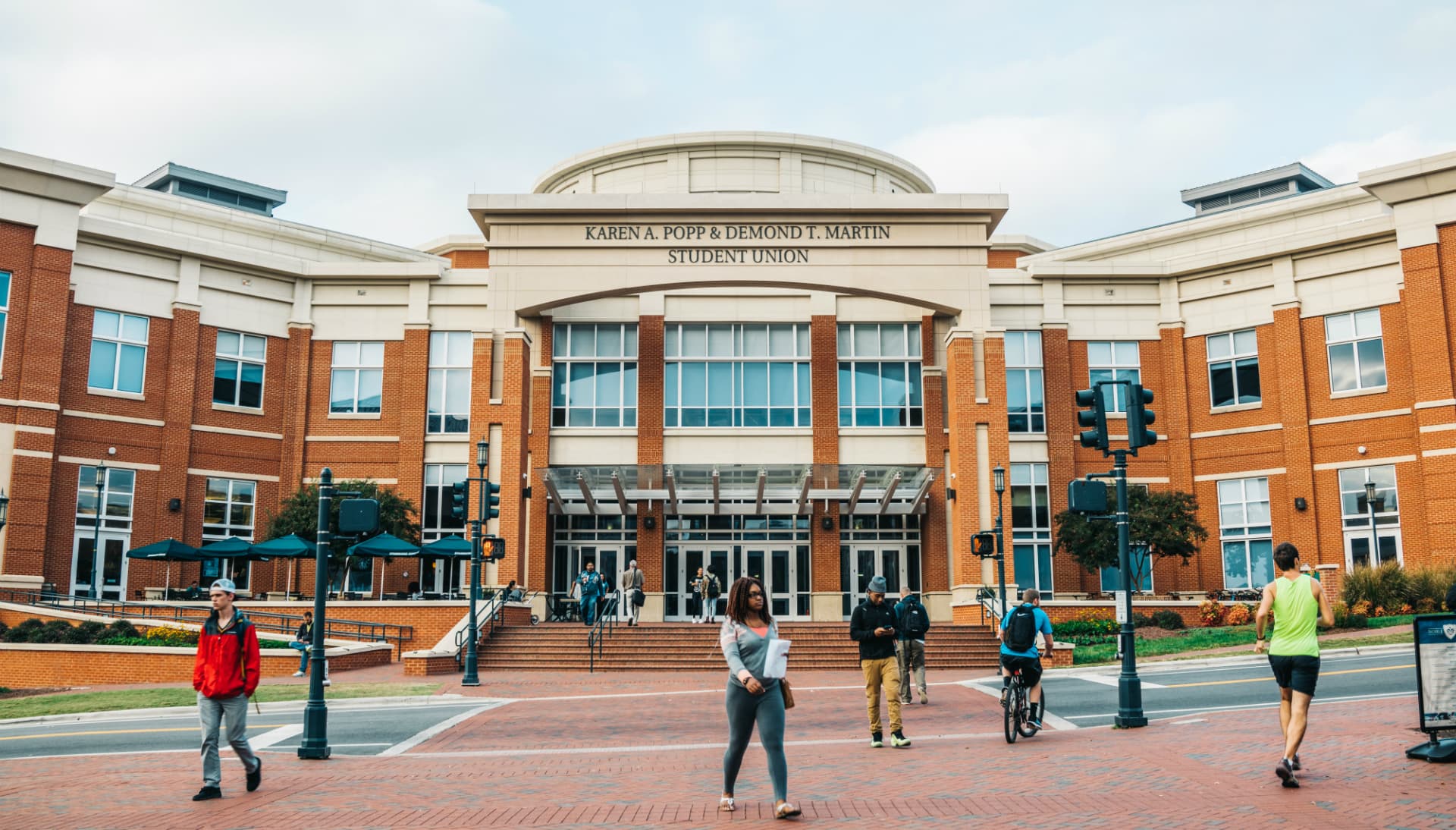
University City encompasses the northeast section of Charlotte, anchored by the University of North Carolina at Charlotte and numerous corporate employers. The area's combination of educational institutions, healthcare facilities, and business parks creates diverse 1031 exchange opportunities. Common asset types include student housing, medical office buildings, retail centers serving the university community, and multifamily properties catering to faculty and staff. The presence of major employers like Atrium Health and various technology companies drives demand for nearby commercial real estate. North Carolina does not charge a state transfer tax, though local documentary fees apply to real estate transactions. Investors selling properties in University City often seek replacement properties nationwide to diversify geographically or access markets with different risk return profiles. Our nationwide property identification support assists clients in locating suitable replacement properties that align with their investment objectives while meeting strict IRS deadlines. The area's growth trajectory and institutional presence make it attractive for both local and out of state investors.
Student Housing, Research Flex, and Retail Along the Corridor
University City runs on two engines: UNC Charlotte's campus, which keeps growing enrollment year over year, and University Research Park, which gives the area a research-and-flex industrial base most college-adjacent submarkets in Charlotte don't have. That pairing makes student housing and light industrial the two categories that actually define this corridor for exchange investors.
Purpose-built student housing clusters within walking distance or a short shuttle ride of UNC Charlotte's campus, and that product trades differently than conventional garden apartments — occupancy runs on the academic calendar, leases are often by-the-bed rather than by-the-unit, and turnover happens in a tight summer window rather than spread across the year. University Research Park, tucked between I-85 and W.T. Harris Boulevard, houses a mix of corporate offices and light industrial flex space that draws logistics and back-office tenants wanting proximity to both the airport and the university's talent pipeline.
Retail along University City Boulevard serves the daytime campus population and nearby neighborhoods, with big-box anchors like the IKEA store pulling regional traffic that supports smaller outparcels nearby.
Enrollment and Logistics Drive This Submarket
Because UNC Charlotte's enrollment growth has been steady for years, student housing demand here tends to be more predictable than in submarkets dependent on general population migration, while the research park's flex buildings ride the same industrial demand wave that's filled up space closer to the airport.
That predictability cuts both ways for an exchange buyer, though. Steady enrollment growth means occupancy risk on student housing is generally lower than on conventional apartments dependent on job growth alone, but it also means the category has attracted enough institutional interest over the years that well-located, purpose-built student housing rarely trades at a discount just because it sits in a college submarket rather than a downtown core.
Working the 45-Day Window Around an Academic Calendar
Student housing deals often move on a schedule tied to the academic year, so identifying a property here works best when the timeline accounts for enrollment and lease-renewal cycles rather than treating it like conventional multifamily. Lenders financing by-the-bed student housing look at occupancy and pre-leasing data differently than they do for standard apartment underwriting, so confirming that appetite before the identification deadline matters more here than in most other Charlotte submarkets. Any question about how student housing income is treated for like-kind purposes should go to a tax advisor and qualified intermediary before the deal is locked in.
Diligence Points Specific to University City
A few issues recur on deals in this corridor:
- By-the-bed lease structures and their renewal timing relative to the academic calendar
- Shared access or utility agreements within University Research Park's larger parcels
- Traffic and parking conditions tied to campus events and football game days
- Zoning classifications separating research-park uses from adjacent retail and residential
- Proximity restrictions or noise easements near the PNC Music Pavilion amphitheater
Closing Around Campus and Concert Schedules
Move-in weeks, football Saturdays, and concert nights at the amphitheater all bring traffic and access changes to this corridor, so scheduling a closing walkthrough or possession date around those calendars avoids headaches that have nothing to do with the transaction itself but can still slow it down.
Property managers who work student housing in this corridor tend to build their own operating calendars around the university's academic schedule rather than a standard calendar year, and reviewing that operating history alongside the lease file gives a clearer read on how the building actually performs than a generic rent roll snapshot would.
Popular Exchange Paths in University City
Medical Office
University City's healthcare infrastructure, including Atrium Health facilities, creates strong demand for medical office buildings. Investors exchange medical office properties to upgrade locations or diversify into other markets.
Learn moreMedical Office Replacement
Our medical office replacement service helps University City investors identify replacement properties nationwide. We focus on markets with strong healthcare infrastructure and stable tenant demand.
Learn moreMultifamily Communities
Multifamily properties in University City benefit from student and faculty housing demand. Investors exchange multifamily assets to capture appreciation, diversify geographically, or upgrade to higher quality properties.
Learn moreMultifamily Replacement Search
Our targeted multifamily search service helps University City investors identify replacement properties nationwide. We focus on markets with similar demographic characteristics and strong rental demand.
Learn moreRetail and Mixed Use
Retail centers in University City serve the university community and nearby residents. Investors exchange retail properties to upgrade locations, diversify geographically, or move into other asset classes.
Learn moreReplacement Property Identification
University City investors need comprehensive property identification support to meet 45 day deadlines. Our service provides access to qualified replacement properties across multiple asset types and markets.
Learn moreFrequently Asked Questions
What makes University City attractive for 1031 exchanges?
University City, NC offers diverse real estate opportunities driven by educational institutions, healthcare facilities, and corporate employers. The area's mix of student housing, medical office, retail, and multifamily properties creates multiple exchange options for investors.
Can I exchange a University City medical office for a property in another state?
Yes, you can exchange a University City, NC medical office building for replacement property anywhere in the United States. Like kind exchange rules allow nationwide property identification, enabling geographic diversification and access to markets with different characteristics.
What are the deadlines for 1031 exchanges involving University City properties?
For University City, NC exchanges, you must identify replacement properties within 45 days of selling the relinquished property. You must then close on at least one identified property within 180 days of the sale date to complete the exchange.
Are there local taxes on 1031 exchanges in University City, NC?
North Carolina does not impose a state transfer tax on real estate transactions in University City, NC. Local documentary fees may apply. A 1031 exchange defers federal capital gains tax but does not eliminate these local fees.
Does the identification timeline need to account for the academic calendar?
It's worth considering. Lease renewals and occupancy shifts on student housing tend to cluster around the summer turnover period, which can affect how a lender or buyer views the asset depending on when in the year you're identifying it.
Example of Our Work
Example of the type of engagement we can handle
Location: University City, NC
Situation: An investor selling a medical office building in University City wants to exchange into multifamily properties in multiple markets. The client needs to identify replacement properties within 45 days.
Our Approach: We provided nationwide multifamily property identification, focusing on markets with strong demographic fundamentals. We coordinated identification documentation and ensured compliance with all IRS deadlines.
Expected Outcome: The client identified qualified replacement properties within the 45 day window and closed on a multifamily asset in another state within 180 days, successfully deferring capital gains tax while diversifying geographically.
Related Locations
Build a University City Sale-to-Replacement Plan
Share the planned sale, request a free property list, or talk through direct and passive replacement options with a Charlotte 1031 specialist.
Free Charlotte Exchange Guidance
Start with the property you plan to sell.
Talk through the sale, timing, replacement priorities, direct ownership, net-lease property, and available DST options.